Blocked drains occur when wastewater cannot flow freely due to build-ups like hair, grease, debris, or tree roots. They often cause slow drainage, gurgling sounds, or flooding. Understanding the most common causes and prevention tips can save time and costly repairs.
Blocked drains are a common and annoying problem experienced at some stage in most homes and businesses. There are a number of reasons that drains will block. Often the immediate symptom of the block is treated and not the underlying cause.
Common Causes of blockages include:
Fat, Oil & Grease (FOG) Build-Up – kitchen sink blockages
Hair & Soap Scum – bathroom drain clogs
Foreign Objects & Non-Flushables – wipes, sanitary products, etc.
Tree Root Intrusion – outdoor pipe blockages
Broken, Misaligned, or Poorly Installed Pipes
Debris & Storm Runoff – leaves, soil after heavy rain
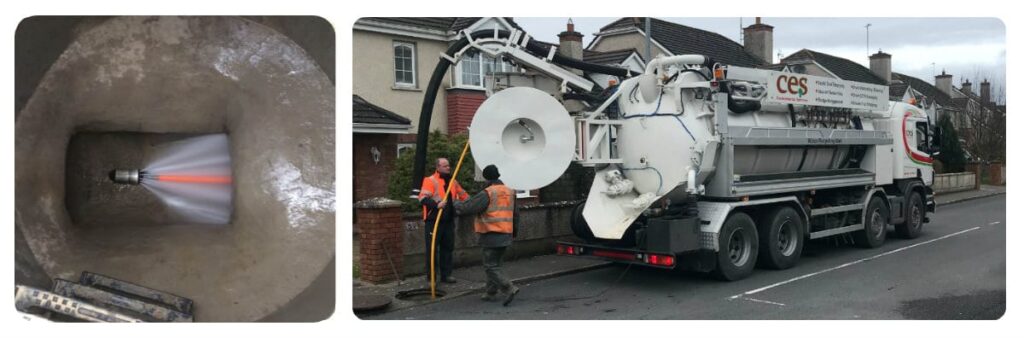
Foreign objects or debris
Choked or blocked drainage can occur when foreign objects or materials such as hair or soaps, fats or food build up and become caught between the drainpipe and the pipes that flow underneath. Initially, the material may not fully block the drain. However, over time materials will continue to collect which will prevent water from flowing freely. This can eventually cause the drain to block.
Toilets regularly block up due to too much toilet paper, sanitary items and even nappies being flushed down them. Young children are often the culprits for blocked toilets. Children have often flushed a full roll of toilet paper, a toy and even the toilet brush. A blocked toilet is really unpleasant and requires immediate action.
Heavy rains or storms
Outside drains may become blocked after storms or heavy downpours collecting leaves, dirt and other matter that can build up and block drains. Blocked drains during heavy storms are very common as they are generally not designed to manage large volumes of water.
Blocked outside drains can cause flooding and damage to property.
Broken pipes
Another cause of blocked drains is a broken pipe. A break in a water pipe can mean water cannot flow freely and it may collapse, causing the drain to block. The most common causes of broken pipes are poor installation, age and tree roots. Tree roots cause enormous damage underground.
These types of blockages may require a detailed investigation of underground pipes to identify where the problem is occurring. Underground pipe repairs can be disruptive and costly depending on how difficult it is to access the problem area.
Incorrect pipe installation
With the dramatic rise in popularity of do-it-yourself (DIY) repairs and home renovations, there is an increase in poorly installed plumbing and drainage pipes. Pipes may become misaligned or completely collapse if installed incorrectly.
Choosing the right pipes is an integral part of any plumbing job and so it is vital that have a full understanding of the pipework that you require to do the job. Incorrect installation is not only dangerous but could also damage other parts of your or your neighbours’ property, causing great expense.
Water flow issues
Water doesn’t flow uphill and drainage is all about gravity. Incorrect pipe installation with inadequate falls could contribute to the build-up of particles and debris and could eventually result in blocked drains. Installing the pipes correctly is vital to ensure adequate water flow.
It is important to understand the underlying cause of a drain blockage. As Drains become blocked for a variety of reasons. Blockages can build up over time and you may get some early warning signs that there are some obstructions to the water flow. These include gurgling sounds after you flush a toilet, the water level in your sink or bath draining slowly, and bad smells from sinks or drains.
How do I know my drain is blocked?
Blocked drains usually give clear warning signs before becoming a serious problem. Spotting these early can help you avoid flooding, damage, and emergency call-outs.
🚿 1. Water Drains Slowly
If water lingers in your:
Sink
Shower
Bath
…it often means there’s a partial blockage forming in the pipe.
🔊 2. Gurgling or Bubbling Noises
Unusual sounds when water drains or when you flush the toilet can indicate:
Trapped air in the pipes
A blockage restricting normal water flow
This is especially common in kitchen and bathroom drains.
👃 3. Bad Smells from Drains
Persistent foul odours are a strong sign of:
Food waste
Grease build-up
Organic material stuck in the pipe
Smells usually worsen over time if the blockage isn’t dealt with.
🚽 4. Water Backing Up
One of the clearest signs of a blocked drain is:
Water rising back into sinks, showers, or toilets
Overflowing outdoor gullies
This often indicates a severe or complete blockage.
🌧️ 5. Drain Problems After Heavy Rain
If drains back up during or after rainfall, it may point to:
Blocked outdoor drains
Debris build-up
Root intrusion in underground pipes
🏠 6. Multiple Fixtures Affected
If more than one drain is slow or blocked at the same time, the issue is likely:
Deeper in the drainage system
In shared or main pipes rather than a single fixture
⚠️ When to Act
You should act quickly if you notice:
Repeated blockages
Flooding or sewage smells
Gurgling combined with slow drainage
Early intervention can prevent pipe damage and costly repairs.
✅ Key Takeaway
If your drains are slow, noisy, smelly, or backing up, there’s a strong chance they’re blocked. Addressing the issue early is the best way to avoid serious drainage problems.
How to Prevent Blocked Drains
Blocked drains are one of the most common (and avoidable) household problems. With a few simple habits and regular maintenance, you can significantly reduce the risk of slow drains, bad smells, and costly call-outs.
🚿 1. Be Careful What Goes Down the Drain
Most blockages are caused by everyday items that shouldn’t enter your pipes.
Avoid putting these down drains:
Cooking fats, oils, and grease
Food scraps, coffee grounds, rice, and pasta
Wet wipes, sanitary products, cotton buds
Excessive soap residue and toothpaste
👉 Tip: Let grease cool and dispose of it in the bin, not the sink.
🧼 2. Use Drain Strainers
Install sink and shower strainers to catch:
Hair
Food particles
Soap residue
Clean strainers regularly to prevent build-up before it enters the pipework.
🚿 3. Flush Drains with Hot Water
Once a week:
Pour hot (not boiling) water down kitchen and bathroom drains
This helps break down grease and soap deposits before they harden
This is especially effective in kitchens.
🧪 4. Avoid Overusing Chemical Drain Cleaners
While tempting, chemical cleaners:
Can damage pipes over time
Often push blockages further down
Are harmful to the environment
Use them sparingly, if at all. Natural maintenance is safer long-term.
🌿 5. Keep Outdoor Drains Clear
External drains are often blocked by:
Leaves
Soil and debris
Grass cuttings
Prevention tips:
Regularly clear grates and gullies
Avoid sweeping debris into outdoor drains
Check drains more often after heavy rain or storms
🌳 6. Watch Out for Tree Roots
Tree roots can crack or invade underground pipes, causing serious blockages.
If you notice:
Frequent recurring blockages
Slow drainage throughout the property
…it may indicate root intrusion and require professional inspection.
🛠️ 7. Schedule Preventative Drain Maintenance
Professional drain cleaning and inspections:
Remove hidden build-ups
Identify small issues before they become major problems
Extend the life of your drainage system
This is especially important for older properties or shared drainage systems.
⚠️ 8. Act Early on Warning Signs
Don’t ignore early symptoms such as:
Slow-draining sinks or showers
Gurgling noises
Unpleasant odours
Early action prevents full blockages and potential water damage.
✅ Key Takeaway
Preventing blocked drains is mostly about good habits and regular checks. By keeping grease, wipes, hair, and debris out of your pipes — and dealing with issues early — you can avoid most drainage problems entirely.
Call us today for a drain unblocking inquiry:
Clare office: (065) 686 6850
Galway office: (091) 396 342
Limerick office: (061) 518 312
Mobile: (086) 844 3592
Email: [email protected]
Or please use our contact page