Summary
Grease trap cleaning frequency depends on the equipment, meals prepared, fats entering the system and the rate at which grease and solids accumulate. A busy restaurant may need servicing more often than a lightly used kitchen. Set the schedule using manufacturer guidance, operating conditions and service findings rather than waiting for smells or a blockage.
For a restaurant, drainage trouble can interrupt food preparation, washing up and service. A grease trap is there to intercept fats, oils and grease before they travel further into the drainage system. It needs regular attention to continue doing that job.
Why grease traps need both emptying and cleaning
Captured grease and food solids occupy space inside the unit. As deposits accumulate, performance can deteriorate and more material may pass downstream.
Emptying removes collected waste. Cleaning addresses deposits on internal surfaces and accessible components, helping prepare the unit for continued use. Simply clearing a nearby blocked pipe leaves the grease trap itself unresolved.
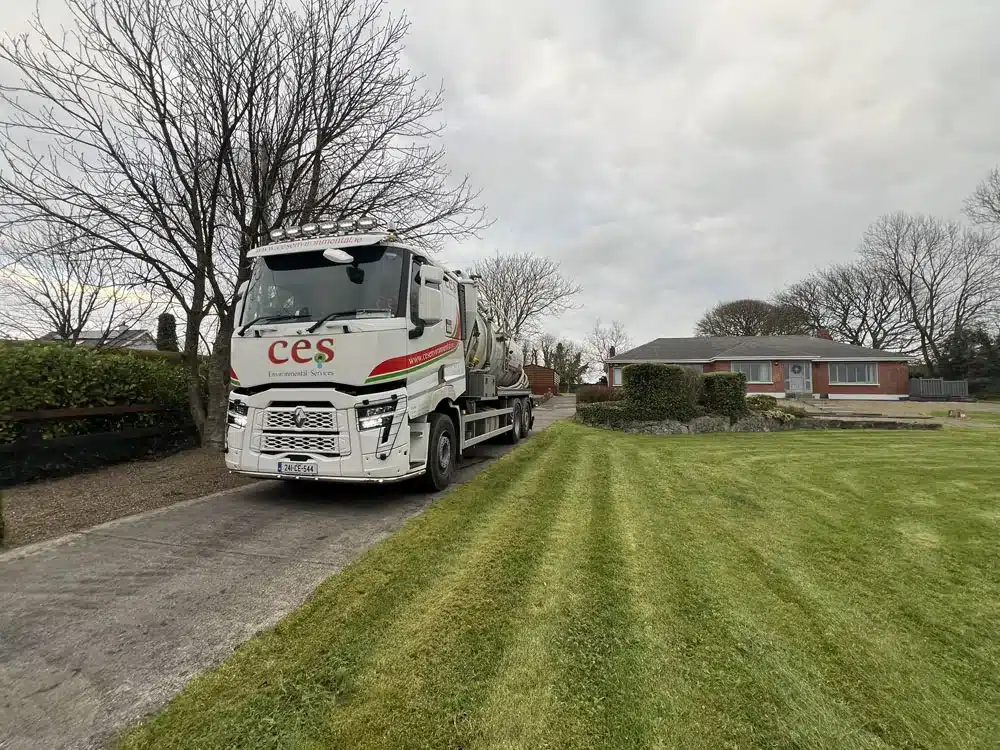
CES provides grease trap cleaning and interceptor emptying for commercial food businesses.
What determines the right cleaning interval?
The number of meals and operating hours
A kitchen running throughout the day may generate much more wastewater and grease than one used occasionally. Seasonal peaks, events and additional covers can change the maintenance requirement.
The menu and kitchen practices
Cooking methods, food preparation and how plates are scraped affect the amount of grease and solids entering the trap. Scraping food waste into the appropriate bin and keeping used cooking oil out of sinks reduce avoidable loading.
The size and design of the unit
A small under-sink trap and a large external grease interceptor have different capacities and servicing needs. Follow the manufacturer’s instructions and confirm that the equipment is suitable for the kitchen’s use.
What previous servicing has found
Records of grease and solids build-up help determine whether the existing interval is working. A unit that is heavily loaded at every visit may need a shorter interval or an assessment of its capacity.
How to set a practical maintenance schedule
Start with guidance and actual usage
Use the manufacturer’s recommendations as a starting point, alongside any site-specific wastewater requirements. Ask your service contractor to review the unit and kitchen activity before setting a recurring schedule.
Keep a simple service record
Record the date, condition, work completed, waste documentation and proposed next visit. Review the schedule when opening hours, menus or customer numbers change.
Act on warning signs between visits
Persistent odours, slow drainage, overflowing wastewater or repeated kitchen blockages can indicate that attention is needed sooner. Those symptoms can also arise elsewhere in the drainage system, so inspection should establish the cause.
What if the kitchen drains are already blocked?
Grease trap servicing and drain cleaning may both be needed. For recurring trouble, a CCTV drain survey can help investigate accessible downstream pipework.
Avoid relying on products that move grease further along the drainage route. Hot water does not remove the need to collect cooking fats properly or service the trap.
Arrange grease trap maintenance with CES
CES supports restaurants, hotels, pubs and other commercial kitchens. Contact CES Environmental Services with your location, grease trap type and operating hours to discuss cleaning and emptying. You can also explore our hospitality environmental services.
FAQs
Should every restaurant clean its grease trap monthly?
There is no single interval suitable for every restaurant. The unit’s design, loading and service findings determine the appropriate schedule.
Is emptying the same as cleaning?
No. Emptying removes collected waste; cleaning removes deposits from accessible internal surfaces and components. Confirm the agreed servicing scope.
Can a grease trap cause bad smells?
Accumulated waste can contribute to odours. Persistent smells may also involve other drainage or ventilation faults and should be investigated.
Can better kitchen habits reduce cleaning needs?
They can reduce unnecessary grease and food waste entering the system. They do not eliminate the need for routine servicing.